Revolutionizing Finance For Green Businesses

How does green finance work? Shout Out UK

Introduction

Green businesses are on the rise, with more companies focusing on sustainability and environmental impact. However, the financial aspect of running a green business can be challenging. In this article, we will explore how finance is being revolutionized to support the growth of green businesses.

1. Green Financing Options

Green Bonds

Green bonds are a popular financing option for green businesses, allowing them to raise capital for environmentally friendly projects. These bonds are specifically earmarked for projects that have a positive impact on the environment, such as renewable energy or energy efficiency initiatives.

Impact Investing

Impact investing involves investing in companies or funds with the intention of generating a measurable, beneficial social or environmental impact alongside a financial return. This type of investing is becoming increasingly popular among green businesses looking for funding.

2. Sustainable Investment Strategies

ESG Integration

ESG stands for environmental, social, and governance factors that are used to evaluate the sustainability and ethical impact of an investment in a company or business. By integrating ESG factors into their investment strategies, green businesses can attract socially responsible investors.

Divestment from Fossil Fuels

Many green businesses are choosing to divest from fossil fuels and instead invest in clean energy and sustainable technologies. This shift in investment strategy not only aligns with their values but also reduces their exposure to the risks associated with the fossil fuel industry.

3. Financial Incentives for Green Businesses

Tax Credits and Incentives

Governments around the world offer tax credits and incentives to encourage green businesses to invest in sustainable practices. These financial incentives can help offset the costs of implementing environmentally friendly initiatives and make it more financially viable for businesses to go green.

Grants and Subsidies

Green businesses can also take advantage of grants and subsidies offered by government agencies, non-profit organizations, and private foundations. These financial resources can provide much-needed funding for research and development, infrastructure improvements, and other green projects.

4. Green Banking Solutions

Sustainable Banking Practices

Green businesses can choose to work with banks that prioritize sustainable banking practices, such as financing renewable energy projects, offering green loans, and supporting environmentally responsible initiatives. These banking solutions align with the values of green businesses and help support their growth.

Green Investment Portfolios

Some banks offer green investment portfolios that allow customers to invest in environmentally friendly companies and projects. By choosing these green investment options, businesses can ensure that their money is being used to support sustainable initiatives and drive positive change.

5. Financial Reporting and Transparency

Environmental Impact Reporting

Green businesses are increasingly focused on measuring and reporting their environmental impact, including their carbon footprint, water usage, and waste generation. By providing transparent financial reporting on their sustainability efforts, businesses can attract investors and customers who value environmental responsibility.

Sustainability Metrics

Businesses are also incorporating sustainability metrics into their financial reporting, such as environmental, social, and governance (ESG) performance indicators. These metrics help demonstrate the long-term value and impact of the business’s sustainable practices.

The Significance of Green Financing FutureBusiness

Introduction

Green businesses are on the rise, with more companies focusing on sustainability and environmental impact. However, the financial aspect of running a green business can be challenging. In this article, we will explore how finance is being revolutionized to support the growth of green businesses.

1. Green Financing Options

Green Bonds

Green bonds are a popular financing option for green businesses, allowing them to raise capital for environmentally friendly projects. These bonds are specifically earmarked for projects that have a positive impact on the environment, such as renewable energy or energy efficiency initiatives.

Impact Investing

Impact investing involves investing in companies or funds with the intention of generating a measurable, beneficial social or environmental impact alongside a financial return. This type of investing is becoming increasingly popular among green businesses looking for funding.

2. Sustainable Investment Strategies

ESG Integration

ESG stands for environmental, social, and governance factors that are used to evaluate the sustainability and ethical impact of an investment in a company or business. By integrating ESG factors into their investment strategies, green businesses can attract socially responsible investors.

Divestment from Fossil Fuels

Many green businesses are choosing to divest from fossil fuels and instead invest in clean energy and sustainable technologies. This shift in investment strategy not only aligns with their values but also reduces their exposure to the risks associated with the fossil fuel industry.

3. Financial Incentives for Green Businesses

Tax Credits and Incentives

Governments around the world offer tax credits and incentives to encourage green businesses to invest in sustainable practices. These financial incentives can help offset the costs of implementing environmentally friendly initiatives and make it more financially viable for businesses to go green.

Grants and Subsidies

Green businesses can also take advantage of grants and subsidies offered by government agencies, non-profit organizations, and private foundations. These financial resources can provide much-needed funding for research and development, infrastructure improvements, and other green projects.

4. Green Banking Solutions

Sustainable Banking Practices

Green businesses can choose to work with banks that prioritize sustainable banking practices, such as financing renewable energy projects, offering green loans, and supporting environmentally responsible initiatives. These banking solutions align with the values of green businesses and help support their growth.

Green Investment Portfolios

Some banks offer green investment portfolios that allow customers to invest in environmentally friendly companies and projects. By choosing these green investment options, businesses can ensure that their money is being used to support sustainable initiatives and drive positive change.

5. Financial Reporting and Transparency

Environmental Impact Reporting

Green businesses are increasingly focused on measuring and reporting their environmental impact, including their carbon footprint, water usage, and waste generation. By providing transparent financial reporting on their sustainability efforts, businesses can attract investors and customers who value environmental responsibility.

Sustainability Metrics

Businesses are also incorporating sustainability metrics into their financial reporting, such as environmental, social, and governance (ESG) performance indicators. These metrics help demonstrate the long-term value and impact of the business’s sustainable practices.
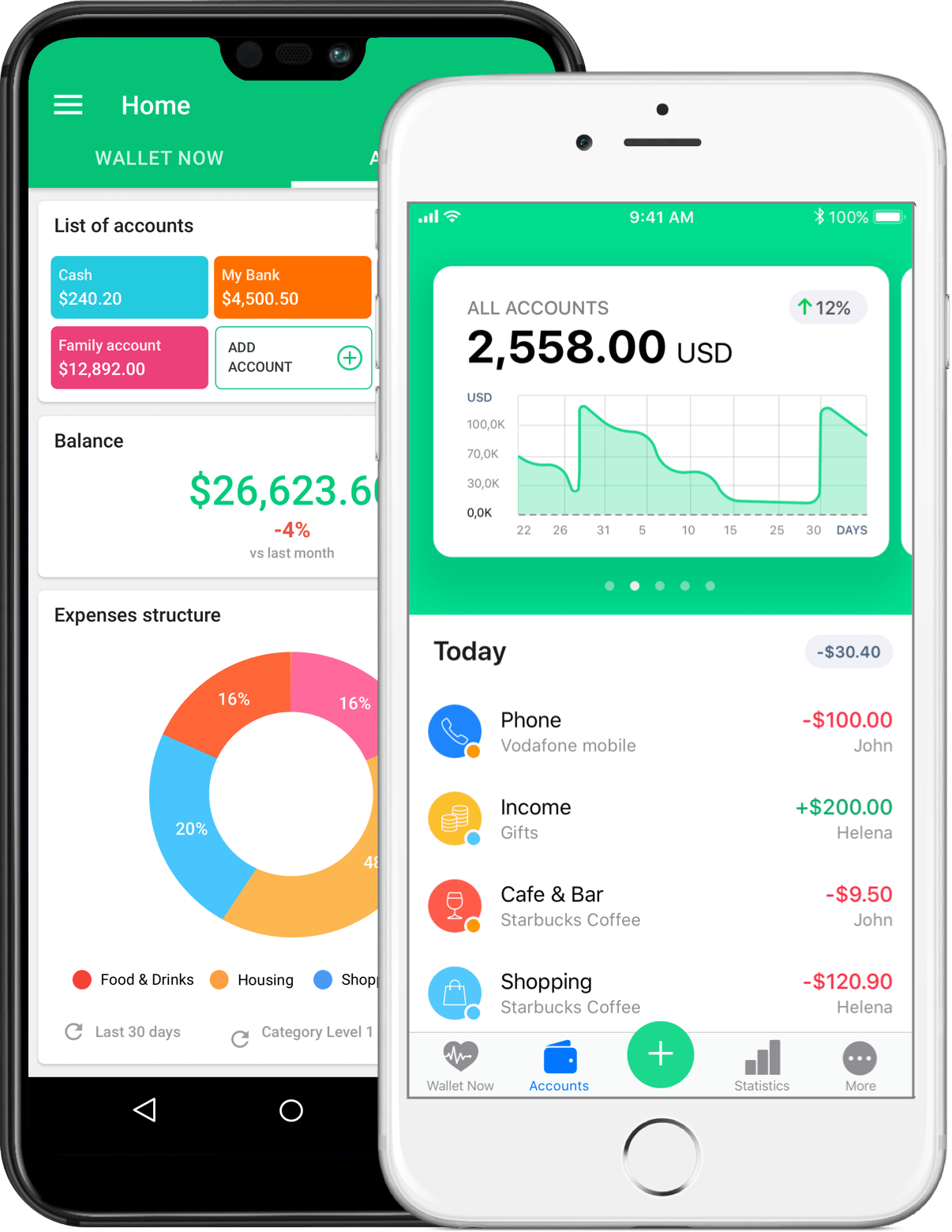
Best Finance Apps For Budgeting

Top 15 Budget Apps You Need To Use

Introduction

Managing finances can be a daunting task, but with the help of technology, it has become easier than ever. Finance apps for budgeting are a great way to keep track of your expenses, set financial goals, and stay on top of your budget. Here are some of the best finance apps that can help you take control of your finances.

1. Mint

Track Your Spending

Mint is a popular finance app that allows you to link all your accounts in one place. It automatically categorizes your transactions, making it easy to see where your money is going. You can set budgets for different categories and track your spending to stay within your limits.

Set Financial Goals

With Mint, you can set financial goals such as saving for a vacation or paying off debt. The app helps you track your progress and sends you alerts when you are close to reaching your goals.

2. You Need a Budget (YNAB)

Give Every Dollar a Job

YNAB follows the principle of giving every dollar a job. This means that you assign each dollar to a specific category such as rent, groceries, or savings. It helps you prioritize your spending and avoid overspending.

Embrace Rule Four

Rule Four of YNAB is to “Age Your Money.” This rule encourages you to live on money you earned at least 30 days ago. By following this rule, you break the paycheck-to-paycheck cycle and build a buffer for unexpected expenses.

3. Personal Capital

Investment Tracking

Personal Capital is not just a budgeting app; it also helps you track your investments. You can link your investment accounts and get a comprehensive view of your net worth. The app provides insights into your portfolio performance and asset allocation.

Retirement Planning

Personal Capital offers retirement planning tools to help you set retirement goals and track your progress. You can input your desired retirement age and income, and the app will calculate how much you need to save each month to reach your goal.

4. PocketGuard

Track Bills and Subscriptions

PocketGuard helps you track your bills and subscriptions in one place. You can set reminders for upcoming bills and avoid late payments. The app also analyzes your spending patterns and suggests ways to save money.

Set Realistic Budgets

With PocketGuard, you can set realistic budgets based on your income and expenses. The app factors in your recurring bills and savings goals to give you a clear picture of your financial health.

5. Goodbudget

Envelope System

Goodbudget follows the envelope system, where you allocate cash to different envelopes for different expenses. The app digitizes this system, allowing you to track your spending in each category. It promotes mindful spending and helps you stick to your budget.

Sync Across Devices

Goodbudget syncs across multiple devices, making it easy for couples or families to manage their finances together. You can share budgets and expenses with your partner to stay on the same page financially.

With the help of these finance apps, budgeting can be less daunting and more manageable. Choose the app that best fits your financial goals and start taking control of your finances today.

5 Best Finance Apps For Effective Budget Tracking And Planning Circle

Introduction

Managing finances can be a daunting task, but with the help of technology, it has become easier than ever. Finance apps for budgeting are a great way to keep track of your expenses, set financial goals, and stay on top of your budget. Here are some of the best finance apps that can help you take control of your finances.

1. Mint

Track Your Spending

Mint is a popular finance app that allows you to link all your accounts in one place. It automatically categorizes your transactions, making it easy to see where your money is going. You can set budgets for different categories and track your spending to stay within your limits.

Set Financial Goals

With Mint, you can set financial goals such as saving for a vacation or paying off debt. The app helps you track your progress and sends you alerts when you are close to reaching your goals.

2. You Need a Budget (YNAB)

Give Every Dollar a Job

YNAB follows the principle of giving every dollar a job. This means that you assign each dollar to a specific category such as rent, groceries, or savings. It helps you prioritize your spending and avoid overspending.

Embrace Rule Four

Rule Four of YNAB is to “Age Your Money.” This rule encourages you to live on money you earned at least 30 days ago. By following this rule, you break the paycheck-to-paycheck cycle and build a buffer for unexpected expenses.

3. Personal Capital

Investment Tracking

Personal Capital is not just a budgeting app; it also helps you track your investments. You can link your investment accounts and get a comprehensive view of your net worth. The app provides insights into your portfolio performance and asset allocation.

Retirement Planning

Personal Capital offers retirement planning tools to help you set retirement goals and track your progress. You can input your desired retirement age and income, and the app will calculate how much you need to save each month to reach your goal.

4. PocketGuard

Track Bills and Subscriptions

PocketGuard helps you track your bills and subscriptions in one place. You can set reminders for upcoming bills and avoid late payments. The app also analyzes your spending patterns and suggests ways to save money.

Set Realistic Budgets

With PocketGuard, you can set realistic budgets based on your income and expenses. The app factors in your recurring bills and savings goals to give you a clear picture of your financial health.

5. Goodbudget

Envelope System

Goodbudget follows the envelope system, where you allocate cash to different envelopes for different expenses. The app digitizes this system, allowing you to track your spending in each category. It promotes mindful spending and helps you stick to your budget.

Sync Across Devices

Goodbudget syncs across multiple devices, making it easy for couples or families to manage their finances together. You can share budgets and expenses with your partner to stay on the same page financially.

With the help of these finance apps, budgeting can be less daunting and more manageable. Choose the app that best fits your financial goals and start taking control of your finances today.

Challenges and opportunities for businesses in emerging markets

Emerging markets have been catching the eye, alluring with their potential for sky-high growth and the thrill of unexplored opportunities.

mediaimage
Nestled mainly in developing nations, they hold the key to expanding customer bases, cutting down on production expenses, and tapping into abundant resources. However, alongside these benefits, businesses venturing into emerging markets also face a unique set of challenges that require careful consideration and strategic planning. By fostering strong partnerships with local stakeholders and communities, companies can establish a solid foundation for growth while contributing positively to the socio-economic landscape of these regions.

Understanding Emerging Markets: A Brief Overview
Emerging markets are the vibrant hopefuls of the economy, evolving from developing to developed status with rapid growth, urban flair, rising incomes, and global influence. They span continents like Asia, Africa, and South America, infusing vitality across borders. These dynamic economies are reshaping the global economic landscape and becoming essential players in the interconnected world. As these markets continue to mature, they offer enticing opportunities for investors and businesses seeking new avenues of growth and innovation.

The Rewards: Opportunities Abound
Untapped Consumer Base: Emerging markets boast large and growing populations, presenting a vast consumer base for products and services. As incomes rise, the demand for various goods increases, offering significant market potential.
Resource Abundance: Many emerging markets are rich in natural resources, from minerals to agricultural products. Companies can benefit from access to these resources for production or trade.
Lower Production Costs: Labor costs and operational expenses are often lower in emerging markets compared to developed economies. This cost advantage can enhance profit margins and competitiveness.
The Risks: Navigating Challenges
Political and Regulatory Uncertainty: Emerging markets can have unstable political environments and evolving regulatory frameworks. Changes in policies, laws, or leadership can impact business operations and investments.
Infrastructure Limitations: Inadequate infrastructure, including transportation, communication, and energy systems, can hinder supply chains and distribution networks.
Cultural Nuances: Diverse cultural norms, languages, and consumer behaviors require companies to tailor their products and marketing strategies to local preferences.
Economic Volatility: Currency fluctuations, inflation, and economic instability can affect pricing, profit margins, and overall financial performance.
Strategies for Success
Thorough Market Research: Understand the specific market dynamics, consumer preferences, and regulatory environment of the target emerging market.
Adaptation and Localization: Tailor products, services, and marketing strategies to align with local tastes and preferences.
Partnerships and Alliances: Collaborate with local partners to navigate regulatory hurdles, gain market insights, and establish credibility.
For entrepreneurs and businesses considering expansion into emerging markets, a balanced assessment of potential rewards against existing challenges is essential. By meticulously researching, planning, and employing adaptive strategies, businesses can harness the immense growth potential while mitigating the inherent risks. Remember, informed decisions and a resilient approach can pave the way for remarkable success in the diverse landscapes of emerging markets.

To explore more insights on company formations and expansion, visit 1stFormations. Learn about the process of setting up a limited company, registering a business, and conducting a company name check for a seamless entry into various markets. Their comprehensive resources and expert guidance make the journey of establishing and growing your business both informed and efficient.

Home Ownership vs. Renting: Which Is Better In 2024?

The age-old debate between home ownership and renting has taken on new dimensions in 2024, shaped by evolving economic, social, and lifestyle factors. The decision to buy a home or rent one is a significant financial choice that profoundly impacts an individual’s or family’s financial health and lifestyle. In this article, we’ll explore the pros and cons of both home ownership and renting in 2024 to help you make an informed choice.

mediaimage
Additionally, we’ll touch upon the role of owners corporation in managing and maintaining shared properties in the context of home ownership.

Home Ownership: The Benefits and Challenges
Pros of Home Ownership:
Equity Building: Homeownership allows you to build equity over time as you pay down your mortgage. This equity can be leveraged for future financial goals or emergencies.
Stability: Owning a home provides a stable living environment and the freedom to personalize your space without the constraints of a landlord.
Tax Benefits: In many countries, homeowners enjoy tax benefits, such as deductions on mortgage interest and property taxes.
Potential Appreciation: Real estate has the potential to appreciate in value over time, potentially yielding a profit when you decide to sell.
Long-Term Investment: Owning a home can serve as a long-term investment, allowing you to pass on assets to future generations.
Cons of Home Ownership:
High Initial Costs: Buying a home requires a substantial upfront investment, including a down payment, closing costs, and ongoing maintenance expenses.
Financial Responsibility: Homeowners are responsible for property taxes, insurance, and maintenance costs, which can be unpredictable and costly.
Limited Flexibility: Homeownership can limit your flexibility to relocate for career or lifestyle changes.
Market Risk: Real estate markets can be cyclical, and the value of your property may not always appreciate as expected.
Renting: The Advantages and Disadvantages

Pros of Renting:
Lower Upfront Costs: Renting typically requires a lower initial investment than buying a home, as you don’t need a down payment or face many of the associated costs.
Financial Predictability: Renters have more predictable monthly expenses, as maintenance and repairs are typically the landlord’s responsibility.
Flexibility: Renters can easily relocate when leases expire, providing flexibility for changing job locations or personal circumstances.
Diverse Amenities: Rental properties often offer a range of amenities such as gyms, pools, and community spaces.
No Property Value Risk: Renters are not exposed to the market risk associated with property values.
Cons of Renting:
Limited Control: Renters have limited control over the property and may face restrictions on personalization or renovation.
No Equity Building: Rent payments do not build equity, meaning you miss out on potential long-term financial benefits.
Rent Increases: Landlords can increase rent prices, potentially making it less affordable over time.
Lack of Tax Benefits: Renters do not benefit from tax deductions on mortgage interest or property taxes.
The Role of Owners Corporations

Owners corporations, also known as homeowners associations or strata councils, are entities responsible for managing and maintaining shared properties and common spaces within multi-unit developments. They play a crucial role in maintaining the quality and functionality of properties. When considering home ownership, it’s important to understand how owners corporations impact your experience:

Maintenance and Repairs: Owners corporations handle maintenance and repairs for common areas and shared infrastructure, ensuring that property values are maintained.
Community Rules and Bylaws: Owners corporations establish rules and bylaws that residents must follow, covering aspects such as noise, pet ownership, and property use.
Fees and Assessments: Homeowners within a development are typically required to pay fees and assessments to the owners corporation to cover maintenance and other expenses.
Conflict Resolution: Owners corporations may be involved in mediating and resolving disputes among homeowners, ensuring a harmonious living environment.
Financial Management: Effective financial management by owners corporations is essential to cover ongoing expenses and future projects.
Making the Choice in 2024

In 2024, the decision between home ownership and renting depends on individual circumstances, financial goals, and lifestyle preferences. Here are some factors to consider:

Financial Stability: Evaluate your financial stability and ability to make a substantial down payment, cover ongoing expenses, and handle unexpected repairs.
Long-Term Plans: Consider your long-term plans, including career prospects, family goals, and lifestyle preferences. Homeownership may make sense if you plan to settle in one location for an extended period.
Market Conditions: Assess the local real estate market conditions. In some areas, buying may be more affordable than renting, while in others, renting may offer better value.
Risk Tolerance: Evaluate your risk tolerance regarding market fluctuations and unexpected expenses associated with homeownership.
Personalization: Consider how important it is for you to personalize your living space and have control over property decisions.
Future Goals: Think about your future financial goals, such as saving for retirement, education, or other investments, and how homeownership fits into those plans.
Flexibility: Assess how important flexibility and the ability to relocate are to your lifestyle and career aspirations.
The choice between home ownership and renting remains a highly individual decision in 2024. Each option comes with its own set of advantages and disadvantages, and there is no one-size-fits-all answer. It’s crucial to weigh your financial situation, lifestyle preferences, and long-term goals when making this significant choice.

Owners corporations play a vital role in maintaining and managing properties, particularly in multi-unit developments. When considering homeownership, understanding how owners corporations function and their impact on your property is essential for a harmonious living experience.

In the end, whether you choose to own a home or rent, what matters most is that your housing choice aligns with your unique circumstances and contributes to your overall financial well-being and quality of life in 2024 and beyond.